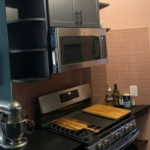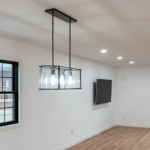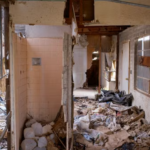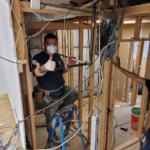
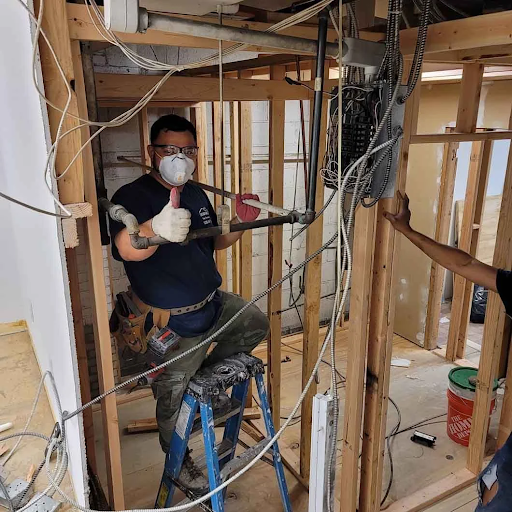
Most property owners picture demolition as a complete teardown, but demolition work in NYC can include much smaller interior changes.
The U.S. Occupational Safety and Health Administration (OSHA) clarifies that its demolition regulations also apply to removing ceilings, interior non-load-bearing walls, and partitions. Even a gut renovation that leaves the exterior walls, roof, and foundation intact can fall under these requirements.
Before starting demolition in NYC, you need to understand which permits apply, whether the work could disturb hazardous materials, and who is legally qualified to perform it. Overlooking these requirements can delay your renovation and create avoidable safety risks.
This guide explains the essential checks to complete before hiring a demolition contractor, helping you plan the work and move forward with confidence.
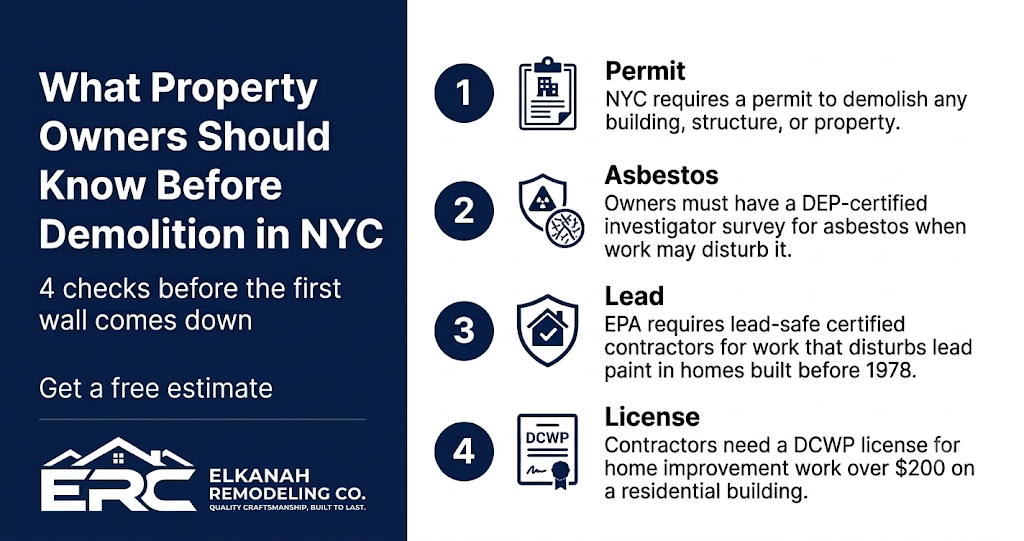
Yes, NYC requires a permit to demolish a building, structure, or property. NYC311 confirms that demolition and excavation permit applications can be submitted electronically through DOB NOW. The specific filing requirements depend on the type and scope of work.
Depending on the project, a registered architect, professional engineer, or appropriately licensed contractor may need to prepare or submit the required documents. Property owners should confirm their responsibilities before work begins.
Asbestos and lead requirements involve other agencies, so you must also confirm those obligations with your contractor before scheduling demolition.
Demolition covers more than tearing down a whole building. OSHA’s letter shows that removing interior ceilings and partitions counts too. Interior demolition is the partial form, where walls, ceilings, and finishes come out while the building stays standing.
Asbestos assessment is one of the first important checks. The NYC Department of Environmental Protection (DEP) states that building owners are responsible for having a DEP-certified asbestos investigator perform a survey to determine whether asbestos-containing materials will be disturbed during the proposed work.
The responsibility stays with you as the owner, so ask for the investigator’s findings before tear-out begins. Your contractor can then plan the permit filing and the inspections around those findings. Share the same findings with every bidder so each quote covers the same scope.
Thomas Kent, who renovated a 5-room apartment, described that stage in a Google review: “Carlos also assisted in securing the applicable building permits and scheduling the corresponding inspections.”
Planning keeps each responsibility with the right party and gives you a clear basis for choosing a contractor.
Skipping a step does not shift the duty away from you. Because DEP places the asbestos survey on the building owner, hiring a crew does not transfer that task. A missing survey leaves you without the information the rest of your plan depends on.
Lead works differently. The duty to hold certification sits with the contractor, so you need to see that certification before work starts. Ask DEP and EPA for current penalty details before you sign a contract.
Knowing the checks lets you compare bids on equal terms. Put the same questions to every contractor.
Questions to ask each contractor:
Ask each contractor to put the answers in writing, then compare them side by side. Under NYC DCWP rules, licensed home improvement contractors are also required to give you a written disclosure explaining which permits your project needs before work begins.
Two beliefs lead owners to skip important checks.
Licensing comes before the first swing.
The NYC Department of Consumer and Worker Protection states that a person or business must have a Home Improvement Contractor license to do work that costs more than $200 on any residential building in NYC, and that home improvement work includes remodeling or repairs.
Check the license before you sign. Confirm with DCWP how your property type is classified if you own a larger multi-family building.
Tear-out disturbs paint too. The New York State Department of Health states that the EPA requires projects that disturb lead paint in homes, child care facilities, and preschools built before 1978 to be performed by lead-safe certified contractors.
Elkanah Remodeling Co. holds EPA Lead Paint Certification NAT-F215558-2 and LBP-F215558-2, issued by the U.S. Environmental Protection Agency.
Elkanah Remodeling Co. handles demolition and interior demolition across the Bronx, Brooklyn, Manhattan, Queens, Staten Island, and Westchester County.
Demolition is part of the company’s wider construction and remodeling services, which also include framing, drywall, flooring, plastering, painting, carpentry, and site preparation.
Elkanah Remodeling Co. works as a full-service contractor, coordinating projects from initial planning through the final build-out.
The team works with DOB filing sets and architectural plans and coordinates with architects, structural engineers, and designers. Its project experience includes single-family and multifamily gut renovations, as well as commercial space build-outs for office, retail, and warehouse clients.
Bruce Bossard’s apartment combination renovation included demolition, plastering, painting, and floor refinishing. He wrote in a Google review:
“Elkanah gave us a very reasonable estimate and beautifully finished the job within a very reasonable time. The workers showed up early every day and worked non-stop without any delays in the process. We were especially appreciative of how responsive they were during this process.”
These answers cover the questions NYC owners ask most before they hire for demolition.
Q1. Do I need a permit to demolish a building in NYC?
Yes. NYC requires a permit to excavate or demolish any building, structure, or property, though minor non-structural cosmetic removals may qualify for limited exemptions.
While applications run electronically through DOB NOW, your architect, engineer, and licensed contractor handle the actual filings after you sign off as the owner.
Q2. Do I need an asbestos test before demolition in NYC?
Yes, when the work may disturb asbestos-containing material. NYC building owners are responsible for having a DEP-certified asbestos investigator survey the property. Ask your contractor to schedule the survey early, and keep the written findings for your records.
Q3. Does lead paint affect my demolition project in NYC?
Yes, when the building dates before 1978. The New York State Department of Health states that the EPA requires projects disturbing lead paint in these homes to use lead-safe certified contractors. Ask each contractor to show their certification before you sign.
Q4. How do I check that a demolition contractor is licensed in NYC?
Look up the contractor with DCWP before you sign, then match the license number to your contract.
Elkanah Remodeling Co. holds Home Improvement Contractor License #2078698-DCA, issued by the NYC Department of Consumer and Worker Protection.
If your property is in Westchester County rather than the five boroughs, confirm that your contractor also holds a valid Westchester County Home Improvement license.
Your next step is simple. Gather your building’s construction year and proposed scope of work, then ask a licensed contractor about the applicable permit, asbestos, and lead requirements. Share any existing assessment reports and request written details so you can compare estimates confidently.
Knowing what property owners should know before starting demolition helps prevent avoidable delays, compliance issues, and unexpected work.
Elkanah Remodeling Co. provides demolition and interior demolition services across the Bronx, Brooklyn, Manhattan, Queens, Staten Island, and Westchester County.
Contact Elkanah Remodeling Co. to discuss your demolition project and request a free estimate.