One homeowner in the Bronx pulled up her own bathroom tile on a Saturday afternoon to save a few hundred dollars. Her neighbor, two blocks over, called a licensed bathroom demolition contractor first and let a crew handle the same teardown the following week.
Six months later, one of them was mid-renovation on schedule. The other was still waiting on a lead-paint remediation report before any contractor would touch the wall again. The difference came down to what each homeowner noticed and acted on before the sledgehammer came out.
Your bathroom might be sending you the same signals right now. Here are seven signs that tell you it is time to call licensed bathroom demolition contractors instead of a rental hammer.
Bathroom demolition contractors handle the first swing in most bathroom remodels, and this step is also the most likely to hide expensive surprises. Every wall, floor, and fixture you plan to remove sits on top of plumbing, wiring, or structural support that a homeowner cannot always see from the surface.
What Demolition Actually Involves
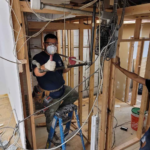
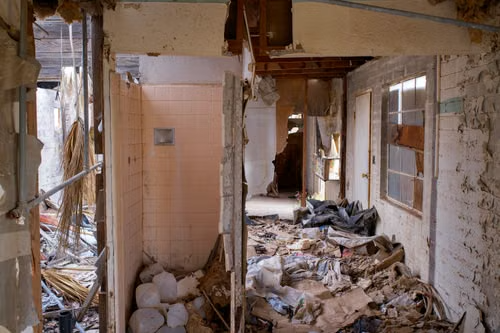
What demolition actually covers in a bathroom remodel goes beyond tearing out tile. It includes removing fixtures, cutting into walls to access plumbing and electrical lines, disposing of debris to code, and confirming nothing hazardous gets disturbed in the process.
A licensed contractor handles all of it as one coordinated step, not a series of guesses.
Licensed bathroom demolition contractors exist for exactly these situations. If you recognize two or more of these signs in your own bathroom, a professional demolition crew is worth the call before you touch a single tile.
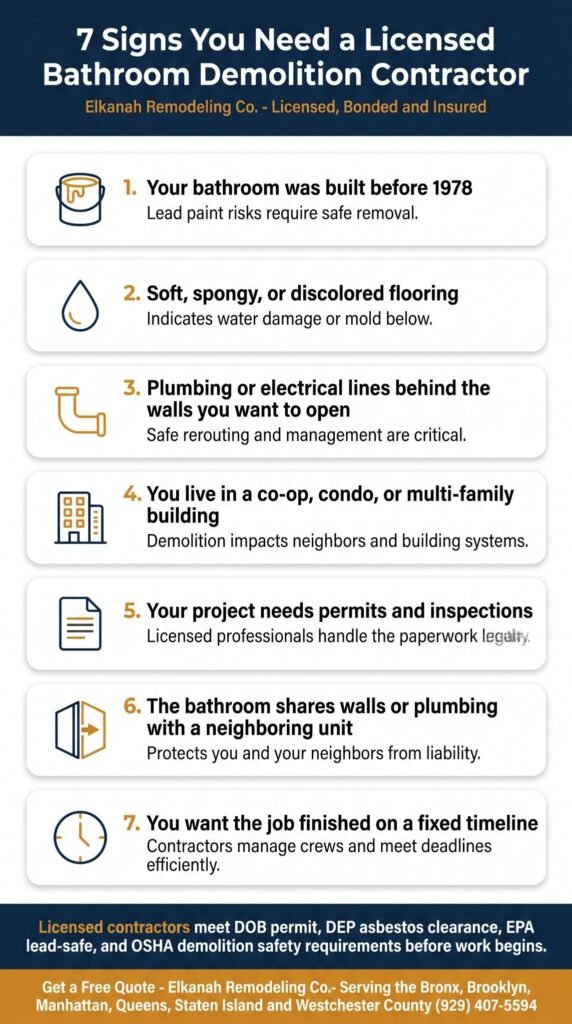
Sign 1: Your Bathroom Was Built Before 1978
Homes built before 1978 commonly contain lead-based paint, and older tile adhesives and flooring from this era can also contain asbestos.
The U.S. Environmental Protection Agency renovation, repair, and painting (RRP) Rule generally requires paid firms disturbing painted surfaces in pre-1978 housing to be certified and use trained workers or certified renovators.
Disturbing either material without the right certification puts your household at risk and can delay your renovation timeline until remediation clears.
Sign 2: You Notice Soft, Spongy, or Discolored Flooring
Soft or discolored flooring around your tub, toilet, or shower usually points to hidden water damage in the subfloor. A licensed crew assesses how far the damage has spread before removing anything, so you know what you are dealing with before the floor comes up.
Sign 3: Plumbing or Electrical Lines Run Through the Walls You Want to Open
If your remodel plan involves moving a sink, tub, or vanity, the wall behind it almost certainly carries plumbing or electrical lines. The Occupational Safety and Health Administration’s demolition standards require utilities to be shut off, capped, or otherwise controlled before demolition begins, along with other required safety measures.
Cutting into these lines without a trained eye risks flooding, electrical shock, or a code violation that stops your project mid-swing.
Sign 4: You Live in a Co-op, Condo, or Multi-Family Building
Shared buildings often require a managing agent’s sign-off, proof of insurance, and a filed permit before any demolition work can start. A licensed contractor already knows how to prepare this paperwork, which reduces the chance of a board delay holding up your renovation.
Sign 5: Your Project Needs Permits Pulled and Inspections Scheduled
Many NYC bathroom renovations require a Department of Buildings permit, depending on the scope and complexity of the work. The city outlines these construction, demolition, and abatement rules.
Elkanah Remodeling Co. holds General Contractor License #620946 with a Cement and Demolition endorsement, which covers exactly this type of permitted teardown work.
Sign 6: The Bathroom Shares Walls or Plumbing Stacks With a Neighboring Unit
Shared plumbing stacks mean a mistake in your bathroom can shut off water or cause leaks for the unit next door. A licensed contractor coordinates shutoffs and timing with the building, which lowers the risk of your renovation disrupting neighboring units.
Sign 7: You Want the Job Finished on a Fixed Timeline Without Surprises
If your remodel has a hard deadline, an unlicensed or inexperienced crew is a common reason projects stall. A licensed contractor plans demolition around the rest of the renovation schedule instead of treating it as an isolated task.
Each red flag above maps to a specific requirement a contractor must meet before starting work.
Pre-1978 construction calls for EPA lead-safe certification under the renovation, repair, and painting program.
Suspected asbestos in flooring or plaster requires a DEP-certified investigator and an abatement clearance, detailed by New York City, before the Department of Buildings will issue a permit.
New York State Industrial Code Rule 56 establishes asbestos survey and handling requirements for covered demolition and renovation work.
OSHA’s Subpart T demolition standard requires an engineering survey before demolition operations begin, along with appropriate control of utilities.
None of these steps are optional extras. They are the baseline that licensed bathroom demolition contractors are required to meet before touching your bathroom.
Elkanah Remodeling Co. is one of the licensed bathroom demolition contractors in the Bronx that treats demolition as the first controlled step in a full bathroom renovation, not a rushed teardown before the real work starts.
Every project moves through a planned sequence of shutoffs, protective coverage, and code-compliant disposal that keeps the rest of your home clean during the process.
This approach was reflected directly in a client review after a combination apartment renovation that included wall demolition, plastering, painting, and floor refinishing. Bruce Bossard wrote:
“Elkanah gave us a very reasonable estimate and beautifully finished the job within a very reasonable time. The workers showed up early every day and worked non-stop without any delays in the process. We were especially appreciative of how responsive they were during this process.”
That kind of consistency is what separates a licensed, planned demolition from a rushed one.
Q1. How do I know if my bathroom has asbestos before demolition?
A DEP-certified asbestos investigator needs to inspect your bathroom’s tile, flooring, and plaster before any demolition permit can be issued in New York City. The city requires this survey whenever a building’s age suggests asbestos-containing materials may be present.
Q2. Do I need a permit to demolish a bathroom in NYC?
Most interior bathroom demolition in New York City requires a Department of Buildings permit, especially when plumbing, electrical, or structural elements are affected. Skipping this step can result in a stop-work order that delays your entire renovation.
Q3. Is it cheaper to demolish a bathroom myself?
DIY demolition can look cheaper upfront, but it often costs more once hidden plumbing damage, lead paint, or asbestos gets discovered mid-project. A licensed contractor’s estimate already accounts for these risks before work begins.
Q4. How long does licensed bathroom demolition take before a remodel starts?
Demolition timelines depend on the scope of plumbing, electrical, and structural work involved and whether lead paint or asbestos testing is required first. Elkanah Remodeling Co. provides a project-specific timeline as part of every estimate, so you know what to expect before work starts.
Q5. What happens if a demolition crew finds lead paint mid-project?
If lead-based paint is identified during covered renovation work, the applicable EPA RRP requirements must be followed, including lead-safe work practices by a certified firm and trained workers.
The EPA has actively enforced these requirements against noncompliant contractors. Hiring a certified contractor from the start avoids this kind of costly mid-project pause.
If your bathroom shows any of these seven signs, consider speaking with a licensed bathroom demolition contractor before starting the teardown yourself.
Elkanah Remodeling Co. provides planned demolition services as part of bathroom renovation across the Bronx, Brooklyn, Manhattan, Queens, and Staten Island and Westchester County. Get a free quote today and find out what your bathroom demolition actually involves before you pick up a tool.