Nearly half of homes across the New York metro area were built before 1980, meaning many still rely on aging wiring, plumbing, and structural systems that no longer meet modern standards.
In this article, you’ll learn why renovation is important for older NYC homes, how delaying essential upgrades can lead to costly repairs, code violations, and lead paint risks, and what steps homeowners can take to protect their property.
If you own a home in the Bronx, Brooklyn, or elsewhere in New York City’s aging housing stock, understanding when to renovate can help preserve your investment and prevent more expensive problems down the road.
Waiting to renovate an aging NYC home increases the risk of structural deterioration, code violations, lead paint exposure, and higher repair costs over time.
An aging home is not just an old-looking home. The original wiring, plumbing, and load-bearing systems in these buildings were designed for building codes that have changed significantly over the decades.
According to CooperatorNews, the median construction year for homes in the New York metro area is 1961, and 71.1% of homes were built before 1980. That means nearly half of the region’s housing stock predates modern electrical load standards, updated plumbing materials, and today’s fire and safety codes.
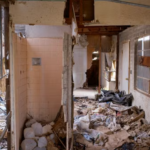
Because many older homes were built before current building standards took effect, even a routine kitchen or bathroom remodel can expose problems hidden behind walls. Knob-and-tube wiring, galvanized plumbing, and undersized structural framing are common in homes from this era.
These discoveries often expand the scope of work, increase renovation costs, and introduce additional permitting requirements. Homeowners expecting a cosmetic remodel are frequently surprised when a licensed contractor uncovers code-related issues after demolition begins.
The 2025 Housing Supply Report from the NYC Rent Guidelines Board states that New York City now has approximately 3.705 million housing units, the largest housing stock recorded since 1965.
With millions of aging homes and apartment buildings across the five boroughs, renovation projects increasingly require contractors who understand both modern building codes and the challenges of older construction.
Elkanah Remodeling Co. holds a General Contractor License (#620946) with endorsements for New Build, Foundation, Excavation, Cement, and Demolition, along with EPA Lead Paint Certification (NAT-F215558-2).
These credentials are directly relevant to renovating homes built before current building and environmental standards took effect.
An aging home, in renovation terms, is any structure where the original systems predate current NYC Department of Buildings code requirements. The age that matters here is not visible wear on the surface. It is the condition of what sits inside the walls.
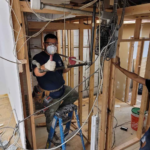
A contractor opening a wall in an older home checks for outdated wiring gauges, deteriorated pipe materials, and framing that may not meet current load requirements. Each of these findings can shift a renovation timeline and budget if they are not identified before work begins.
Delaying renovation on a pre-1980 building does not pause the problem. It allows small issues to become expensive repairs and increases compliance risks over time.
A cracked pipe joint, a failing electrical panel, or moisture around an aging foundation rarely stays the same size. These issues worsen over time, and the longer they go unaddressed, the more expensive they become to repair.
A homeowner who postpones a bathroom renovation because the space “still works” may eventually face water damage, mold remediation, and mandatory code upgrades that a timely renovation could have prevented.
Deferred maintenance on older systems does more than increase repair costs. It can delay a home sale, complicate refinancing, or result in a violation notice if the NYC Department of Buildings identifies unresolved code issues during an inspection or permit review.
According to NYC Local Law 31 of 2020, building owners were required to complete periodic lead-based paint inspections by August 9, 2025, and residential buildings constructed before 1960 are legally presumed to contain lead-based paint unless testing proves otherwise.
Delaying a renovation beyond that inspection deadline does not eliminate the legal requirement. Instead, it increases the urgency of addressing lead paint compliance during the renovation process.
Older homes built before 1978 may also be subject to federal lead-safe renovation requirements whenever painted surfaces are disturbed.
Most renovation advice focuses on hiring a contractor or estimating project costs. Far fewer resources explain how the age of an NYC home directly affects long-term compliance and renovation planning.
On older properties, the risk does not remain static while renovations are postponed. It grows over time, especially as building code updates, lead paint regulations, and permit requirements become part of the project once renovation work begins.
Many homeowners assume an older home only needs cosmetic updates, which overlooks the compliance risk sitting underneath the surface.
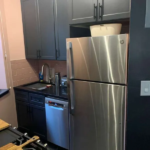
A kitchen or bathroom can look functional while hiding wiring or plumbing that no longer meets code. Cosmetic condition and structural or systems condition are two separate things, and an older home can score well on one while failing the other.
Structural, electrical, and plumbing changes in an existing home require Department of Buildings permits in New York City, regardless of whether the building is new or decades old. Skipping this step on an older renovation creates legal exposure that can surface later during a sale or refinance.
Elkanah Remodeling Co. brings hands-on project oversight to renovations on NYC’s older housing stock, keeping compliance on track from permit to final inspection.
Handling a full gut renovation in a pre-1980 building requires more than construction skill. It requires knowing which permits apply, which materials trigger inspection requirements, and how to sequence work in an occupied space.
On a full gut renovation of a five-room apartment involving a kitchen, bathroom, and new room configuration, one client, Thomas Kent, described the process this way in a Google review: “Carlos also assisted in securing the applicable building permits and scheduling the corresponding inspections.”
That kind of permit coordination is exactly what changes a renovation from a project that stalls at the inspection stage to one that closes out cleanly. A homeowner working with a contractor who understands both the construction side and the compliance side of an older building avoids the back-and-forth that often delays projects on aging properties.
1. How do I know if my NYC home needs renovation due to its age?
If your home was built before 1980, its wiring, plumbing, or structural systems likely predate current NYC building codes. A licensed contractor can identify whether these systems need updating during a walkthrough, even if the space looks visually fine.
2. Does an older home need a permit for renovation in NYC?
Yes. The NYC Department of Buildings requires permits for structural, electrical, and plumbing changes regardless of the building’s age. This applies to older single-family homes and multi-family properties alike.
3. What is the risk of delaying renovation in a pre-1980 building?
Delaying renovation allows small issues, such as outdated wiring or minor leaks, to develop into larger problems like electrical failure or water damage. It can also result in code violations if outdated systems are identified during an unrelated inspection.
4. Does Elkanah Remodeling Co. handle lead paint compliance during renovation?
Yes. Elkanah Remodeling Co. holds EPA Lead Paint Certification and a Lead Renovator Initial certification, both relevant to renovation work on pre-1978 structures where lead paint containment rules apply.
Waiting on renovation in an older NYC home rarely makes the problem smaller. It gives outdated wiring, plumbing, and structural issues more time to turn into costly repairs or compliance violations. If your home was built before 1980, the right time to address it is before a small issue becomes an expensive one.
Get a free renovation assessment from Elkanah Remodeling Co. and find out exactly what your home needs before you decide what to do next.